2025
Event
Blog
Coffee Cart Setup Mistakes to Avoid
In Melbourne, a coffee cart doesn’t just serve drinks, it sets the pace of your event. When it runs smoothly, guests barely notice it. When it doesn’t, queues form, schedules slip, and frustration quietly spreads through the room. And more often than not, the problem isn’t the coffee itself, it's the setup decisions made long before th e first cup is poured.
Coffee service sits at a tricky intersection of logistics, power, compliance, and workflow, yet it’s often treated as a simple add-on. That’s where many events come unstuck. This guide unpacks the most common coffee cart setup mistakes Melbourne events encounter and reveals what experienced planners do differently to protect flow, quality, and guest experience from the outset.
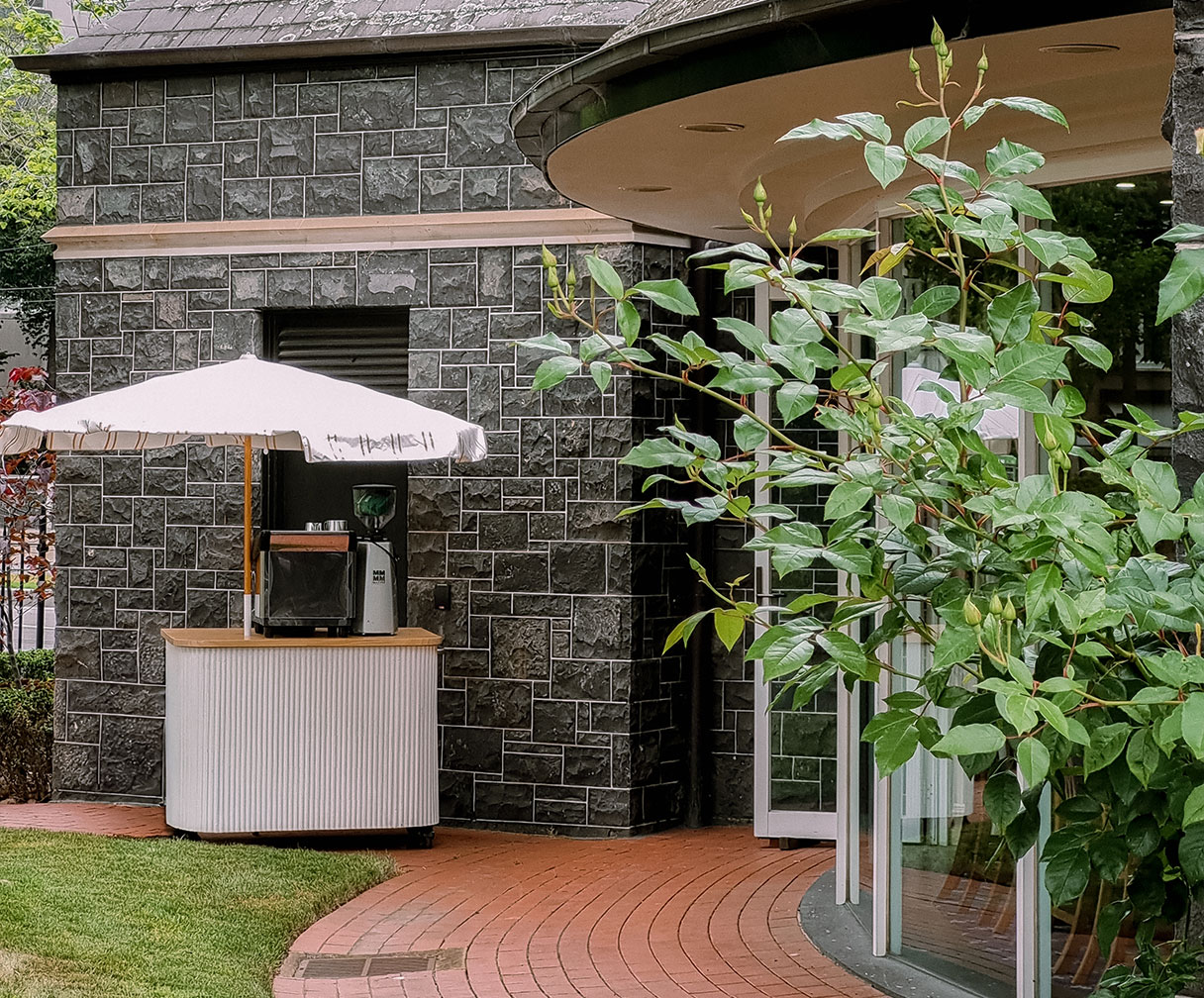

Why Coffee Cart Setup Matters at Melbourne Events
Melbourne audiences don’t evaluate coffee quietly; they notice immediately when it falls short. At events, expectations extend beyond taste to include speed, reliability, and service that fits effortlessly into the wider experience.
When setup decisions are rushed or incomplete, the results are unmistakable:
Lines forming during key moments
Drinks varying in quality across service
Technical issues with power or water
Compliance distractions that impact organisers
Many event coffee cart planning errors stem from treating coffee as an accessory rather than an operational element. In practice, coffee service deserves the same structured planning as audiovisual, catering, or staging because it directly affects how the event feels to guests.
Business and Planning Mistakes to Avoid
Ignoring Mobile Coffee Cart Requirements in Melbourne
Compliance is one of the most underestimated risk areas. Mobile coffee cart requirements Melbourne councils enforce can vary significantly depending on venue type, council jurisdiction, and event scope.
Common oversights include:
Missing temporary food permits
Inadequate handwashing facilities
Incorrect food storage procedures
Unapproved power or water sources
These issues are especially common at large corporate events, where organisers often assume existing venue approvals automatically apply to mobile coffee operations.
Underestimating Infrastructure Needs
Power and water are frequently assumed rather than confirmed. At pop-up venues, heritage sites, or outdoor locations, that assumption often proves costly.
Frequently overlooked requirements include:
Dedicated electrical circuits
Potable water access
Wastewater containment
Adequate operational footprint
These gaps account for many coffee cart setup mistakes Melbourne events experience. Insights seen in documented service advantages consistently highlight how early infrastructure planning prevents last-minute compromises.
Choosing the Wrong Location Within the Event
High visibility does not automatically lead to efficient service. Poor placement can create congestion or operational challenges.
Common placement issues include:
Narrow walkways restricting queues
Excessive distance from power or water
Exposure to wind, rain, or heat
Interference with surrounding exhibitors
Effective placement considers guest movement patterns, service speed, and safety not just foot traffic density.
Operational and Workflow Errors
Poor Workflow and Cart Layout
Mobile coffee carts operate in tight spaces, making layout design critical. Small inefficiencies quickly become major bottlenecks during peak service.
Typical workflow issues include:
Inefficient positioning of grinders and machines
Limited space for milk texturing
No defined pickup area
Awkward barista movement paths
A structured event barista setup checklist helps maintain speed, reduce fatigue, and ensure consistency even under pressure.
Insufficient Counter and Storage Space
During busy service windows, clutter undermines both efficiency and presentation.
Often underestimated needs include space for:
Cups and lids
Milk jugs and syrups
Waste management and knock tubes
Cleaning tools
The impact is especially visible during high-volume activations similar to large sporting programs, where demand arrives in intense waves rather than steady flow.
Coffee Cart Power and Water Requirements Mistakes
Misunderstanding Power Requirements
One of the most persistent outdoor event coffee cart challenges is unstable power. Espresso machines rely on consistent voltage to maintain pressure and temperature.
Common mistakes include:
Sharing circuits with other vendors
Using underpowered generators
Incorrect cabling
No contingency planning
Clear understanding of coffee cart power and water requirements prevents extraction issues, equipment damage, and service stoppages.
Poor Water Planning
Water quality directly affects taste, texture, and machine longevity.
Typical planning errors include:
No confirmed potable water source
Use of unfiltered water
Inadequate wastewater solutions
Incorrect pressure assumptions
Professional mobile setups account for these variables regardless of venue infrastructure.
Coffee Quality and Equipment Mistakes
Using Low-Quality or Incompatible Equipment
Not all café equipment performs reliably in mobile environments. Domestic or unsuitable machines struggle with volume, transport, and variable power conditions.
Common problems include:
Inconsistent pressure and temperature
Grinders unable to sustain throughput
Machines not designed for frequent relocation
For events, reliability and consistency matter more than advanced features that can’t be supported onsite.
Inconsistent Coffee Preparation
Even good equipment fails without defined systems.
Frequent issues include:
Variable dosing and grind size
Uneven tamping
Poor milk texture under volume
Incorrect brew temperatures
In Melbourne, inconsistencies are quickly recognised especially at corporate and premium events.
Ignoring Cleaning and Hygiene Processes
Hygiene affects both flavour and compliance.
Consequences of neglect include:
Rancid flavours from coffee oil buildup
Equipment malfunction
Negative guest perception
Ongoing cleaning during service is as important as end-of-day procedures.
Menu and Guest Experience Errors
Overcomplicating the Menu
Large menus often slow service and increase error rates.
Challenges include:
Longer queues
Stock management issues
Slower preparation times
A focused beverage offering consistently performs better in event environments.
Forgetting Dietary and Sustainability Expectations
Melbourne audiences expect inclusivity and sustainability as standard.
Common omissions include:
No non-dairy milk options
Limited organic alternatives
Non-eco-friendly cups and lids
These details shape guest perception long after the event ends.
Branding and Presentation Mistakes
Treating Coffee as an Afterthought
Coffee carts are visual and social anchors within event spaces.
Missed opportunities include:
Unbranded or inconsistent presentation
Poorly positioned signage
Clutter visible to guests
When integrated well, coffee service reinforces the event’s professionalism and identity.

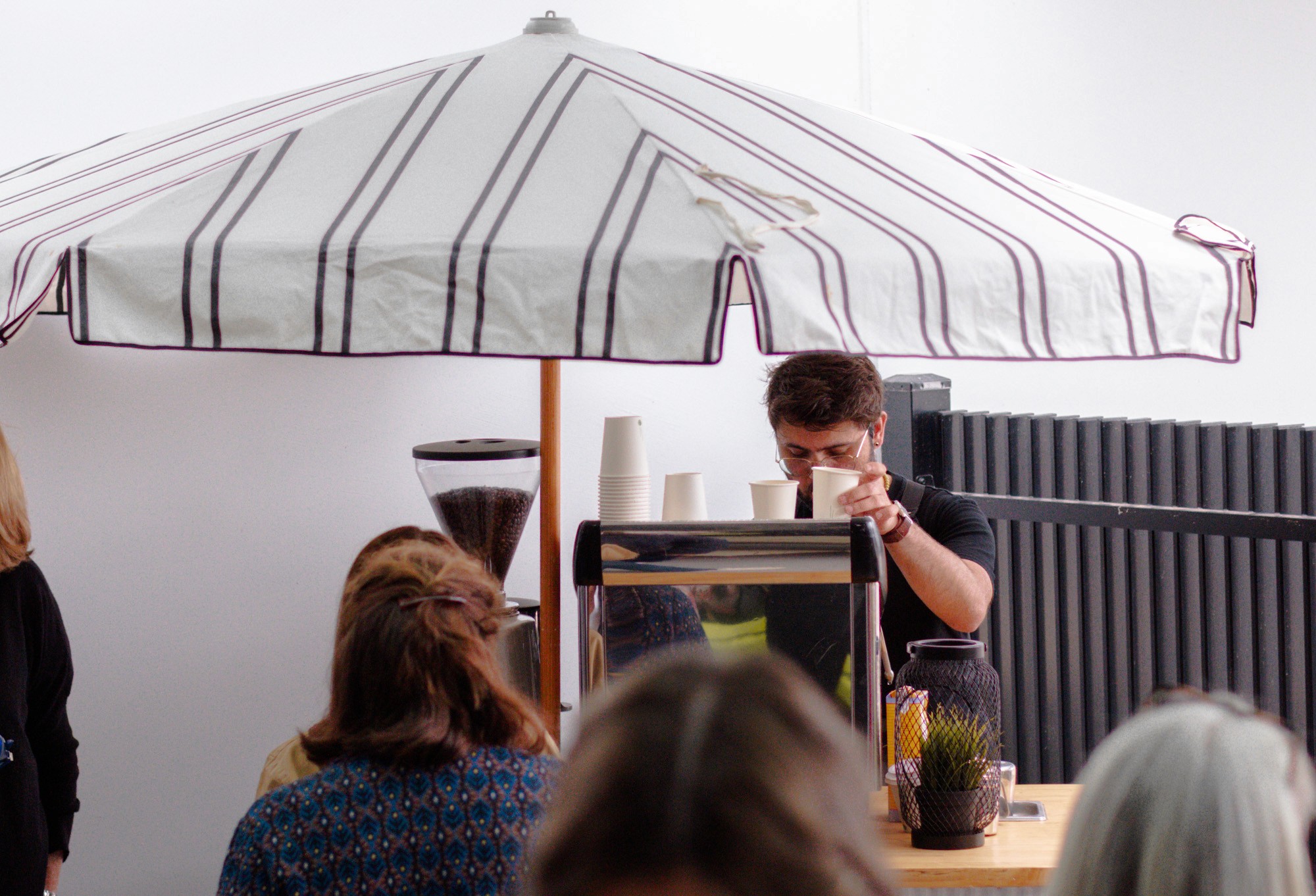
A Practical Solution for Melbourne Events
Avoiding coffee cart setup mistakes requires more than good intentions; it requires experience with how mobile coffee actually behaves in live event environments. Factors like power load, water access, cart positioning, and service flow vary from venue to venue, and they’re rarely obvious until something goes wrong.
Working with a mobile barista team that plans for these variables early helps reduce risk across the setup phase. Expert mobile barista teams like Jeepsy Mobile Baristas brings practical, on-the-ground experience across Melbourne events, helping organisers account for setup constraints before event day so coffee service runs smoothly within the broader event schedule.