April, 2026
Event
Blog
Coffee Cart Runs Out Mid-Event? How Melbourne Pros Prevent It.
Running out of coffee during an event is one of the fastest ways to interrupt the flow and leave guests with the wrong impression. Whether you are hosting a corporate conference in Melbourne, a wedding in regional Victoria, a trade expo, or a local community gathering, a coffee cart shortage can affect guest satisfaction and take away from an otherwise polished event experience.
The good news is that with the right planning and an experienced Melbourne mobile coffee provider, this issue is entirely avoidable. Understanding why shortages happen and how professional barista teams prevent them can help you deliver smooth, reliable beverage service from the first cup to the last.
Why Coffee Carts Run Out Mid-Event
There are several reasons a coffee cart runs out mid-event, and most come down to poor forecasting or lack of preparation.
Underestimating Guest Demand
Many event organisers miscalculate how much coffee attendees will consume, especially during:
Early morning conferences
Long networking sessions
Outdoor winter events
High-energy brand activations
Coffee demand often rises faster than expected when guests are waiting, mingling, or staying onsite for several hours. In many cases, the issue starts with inaccurate volume planning before the event even begins.
Poor Inventory Planning
Without proper mobile coffee cart inventory management, suppliers may arrive with limited stock of:
Coffee beans
Milk and dairy alternatives
Cups and lids
Tea, chai, or hot chocolate supplies
Water and power backup equipment
This is one of the most common operational gaps behind service issues at events, particularly when guest numbers shift at the last minute.
Lack of Onsite Backup Supplies
Some providers bring only enough stock for projected demand, with no contingency buffer if attendance exceeds expectations. That can quickly turn a small forecasting error into a full beverage service disruption.
What Happens When Beverage Service Stops
When your coffee cart runs out mid-event, the effects are often immediate and visible.
Guests Notice Quickly
Attendees tend to view coffee service as an expected part of the experience. If drinks suddenly become unavailable, frustration builds fast, especially at business events where timing and convenience matter.
Event Flow Changes
Once guests start leaving the venue in search of coffee elsewhere, the energy of the room can shift. This is particularly disruptive during conferences, networking sessions, and exhibitions where consistent foot traffic matters.
Brand Perception Can Slip
At public activations or client-facing functions, even a small service failure can affect how organised the event feels. When coffee service falls short, the overall experience can feel less polished than intended.
How Professional Coffee Caterers Prevent Shortages
Experienced providers do not just estimate demand. They plan for variations, peak periods, and unexpected surges.
Forecasting Based on Real Event Conditions
A professional team will assess:
Total guest count
Event duration
Start time and service window
Indoor or outdoor conditions
Audience type
Drink variety expected
This helps determine how much coffee for an event is realistically needed, rather than relying on a rough guess. For larger or more complex functions, using an event quantity guide can help avoid under-ordering.
Carrying More Than the Minimum
Reliable coffee caterers typically prepare beyond projected demand by bringing surplus stock of the essentials, including beans, milk, cups, and alternative beverage options. That extra margin is often what keeps service running smoothly when guest behaviour changes on the day.
Building an Event Coffee Service Backup Plan
A strong event coffee service backup plan may include reserve stock, secondary equipment, extra grinders, and enough operational flexibility to keep lines moving during peak demand. It also means planning the cart setup properly from the start, since booking oversights often affect both speed and stock flow.
A Quick View of Common Shortage Risks
Risk Factor | What It Causes |
Low guest consumption estimate | Coffee runs out earlier than expected |
No extra milk or cups | Menu options become limited mid-service |
Peak-time rush not anticipated | Long queues and slower turnaround |
No backup supplies onsite | Small issue becomes full disruption |
How Much Coffee for an Event?
There is no universal formula, because guest behaviour changes depending on the type of event. A morning seminar, for example, usually generates stronger coffee demand than an afternoon celebration.
Key Variables That Affect Volume
Event Duration
Longer events naturally increase repeat orders. Guests are far more likely to return for a second cup if they are staying for several hours.
Time of Day
Morning events often see the highest demand in the first service window. Mid-afternoon events may need a more balanced mix of coffee, tea, chai, and hot chocolate.
Guest Profile
Corporate audiences may order quickly in bursts between sessions, while wedding or community guests tend to spread orders out across the event.
Weather Conditions
Cold weather usually drives coffee demand higher, particularly for outdoor events. Warm conditions may reduce espresso volume slightly while increasing interest in alternative drinks.
Smart Ways to Prevent Beverage Service Disruption
Preventing beverage service disruption comes down to planning, communication, and operational readiness.
Start With Realistic Numbers
Avoid choosing stock levels based only on attendance. You also need to factor in drink timing, likely repeat orders, and whether coffee is a side offering or a key feature of the event.
Match the Cart to the Event Format
A small private gathering and a high-traffic expo require very different service strategies. The more dynamic the crowd movement, the more important it is to plan for queue speed and replenishment access.
Confirm Beverage Variety Early
Guests increasingly expect more than standard milk options. Organic and non-dairy milks, plus tea, chai, and hot chocolate, all affect stock planning. A broader menu creates a better guest experience, but only if supplies are calculated correctly.
Event Types and Coffee Demand Patterns
Event Type | Demand Pattern |
Corporate meetings | Fast rushes before and between sessions |
Conferences | High volume across multiple service peaks |
Weddings | More staggered service with mixed beverage choices |
Public events | Less predictable flow and stronger stock buffer needs |
Why Jeepsy Mobile Baristas Is Trusted Across Melbourne
When event organisers want a service that feels polished, efficient, and easy to manage, experience matters. Jeepsy Mobile Baristas has built a strong reputation across Victoria by combining premium coffee with practical event expertise.
Established in 2016, with experience across corporate, private, and public events
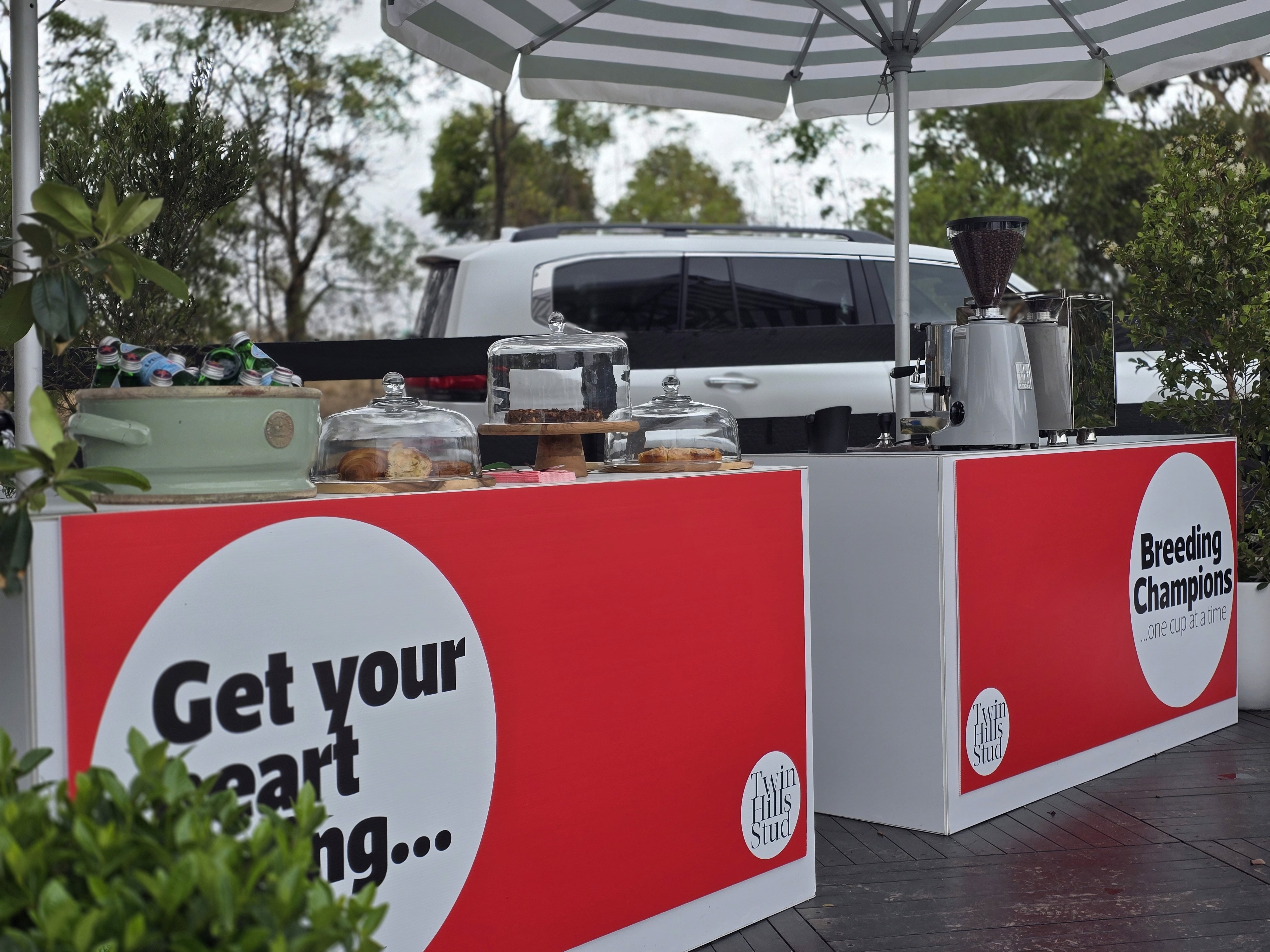
Specialises in stylish mobile coffee cart hire for flexible indoor and outdoor setups
Serves premium Dukes Coffee, along with tea, chai, and hot chocolate
Offers organic and non-dairy milks to suit a wider range of guests
Uses eco-friendly cups and lids for a more sustainable service approach
Provides full setup and pack-down, reducing pressure on your event team
Delivers custom branding options for carts, cups, and signage when presentation matters
Their service is especially well suited to corporate event settings where timing, presentation, and guest experience all need to align. For broader Melbourne event formats, that same attention to detail helps keep service smooth from the first order to the final cup.
Keeping Coffee Service On Track
When a coffee cart runs out mid-event, the problem is rarely just the missing coffee. It can affect timing, guest comfort, and the overall flow of the occasion.
With the right planning around capacity, stock buffers, drink variety, and setup logistics, your service is far more likely to stay smooth from start to finish.
If you are refining your event coffee setup, you can always get in touch with Jeepsy support team to discuss an option that suits your venue, audience, and event style.