2026
Event
Blog
How to Calculate Coffee Volume for Any Event Size
Planning coffee service for an event goes beyond simply ordering beans and plugging in a machine. From estimating guest demand to organising equipment and power supply, every detail plays a role in delivering a smooth and efficient experience. Getting your coffee setup requirements right helps you avoid delays, reduce waste, and maintain a consistent service flow throughout the event.
Whether you're hosting a corporate function, wedding, or community gathering, accurate planning ensures your guests are served quickly and professionally. A well-prepared setup not only enhances guest satisfaction but also supports safety, efficiency, and overall event success.
Why Coffee Volume Planning Matters
Getting your coffee quantities right impacts:
Guest satisfaction (no long queues or shortages)
Budget efficiency (avoid over- or under-ordering)
Equipment planning and logistics
Staffing requirements
A well-calculated setup also supports a safe coffee bar setup, ensuring your equipment and workflow are efficient and compliant.
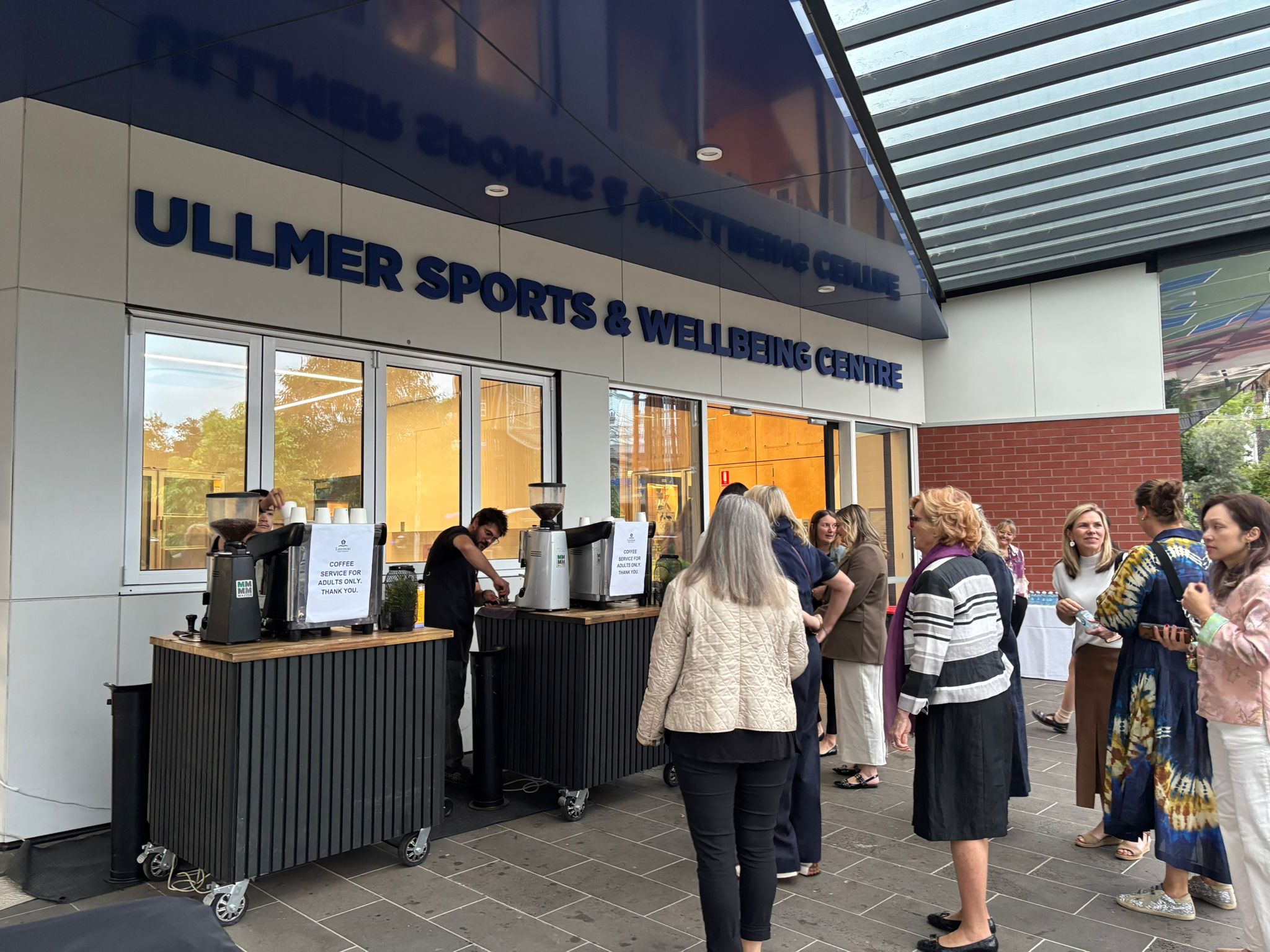
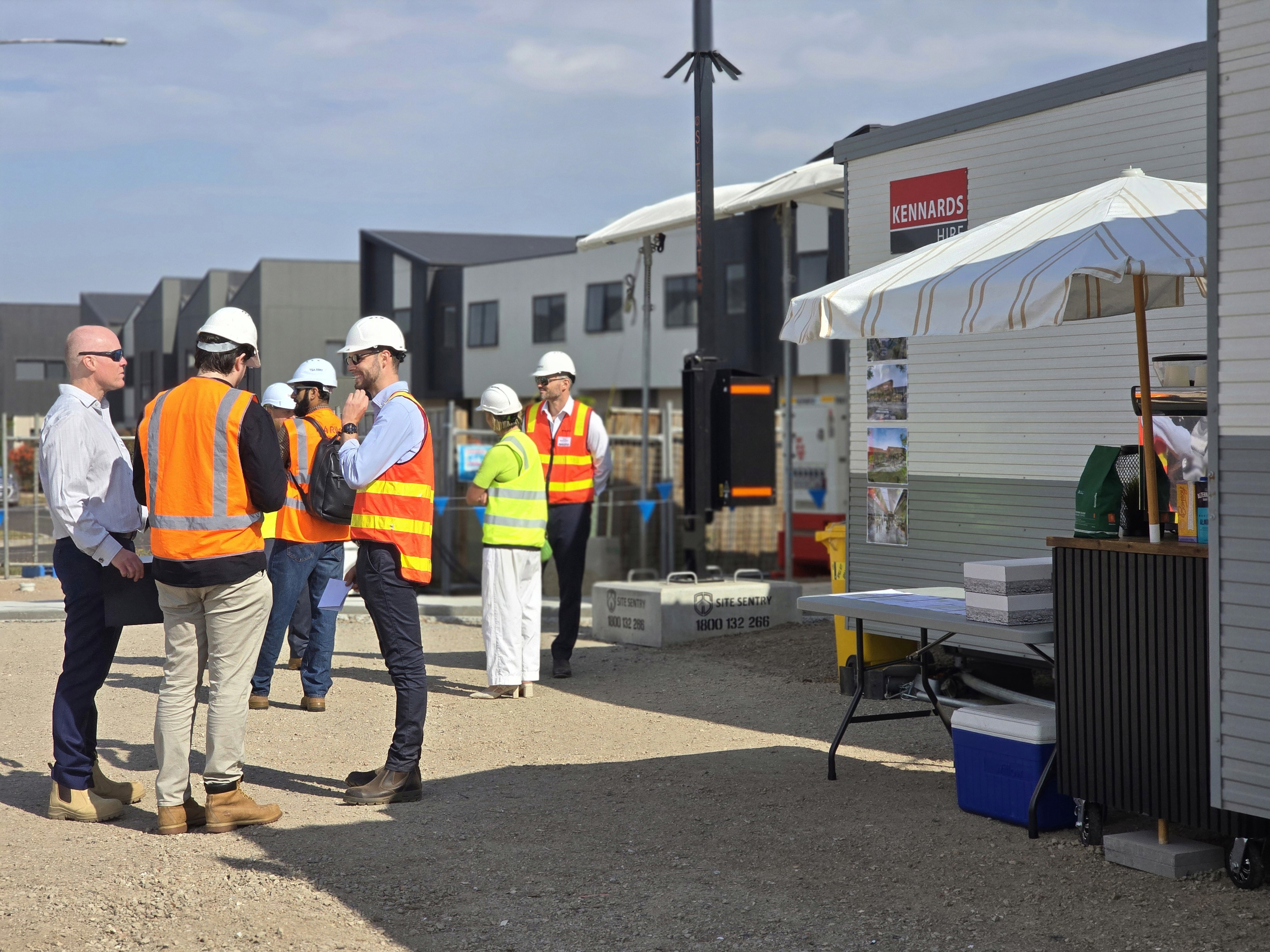
Key Factors That Influence Coffee Volume
Before calculating exact numbers, consider these variables:
1. Event Duration
Longer events naturally require more servings.
1–2 hours → Light consumption
3–5 hours → Moderate demand
Full-day events → High consumption with multiple peaks
2. Time of Day
Coffee demand varies depending on timing:
Morning events → Highest demand
Midday → Moderate
Evening → Lower, but still relevant
3. Audience Type
Different groups consume coffee differently:
Corporate professionals → High coffee intake
Weddings → Moderate, with spikes
Public events → Variable and unpredictable
4. Weather and Venue
Cold weather increases consumption
Outdoor events often drive higher demand, especially when comparing indoor vs outdoor setups
Remote locations may require stricter electrical requirements for coffee setup
Coffee Consumption Estimates by Event Size
Event Size | Guests | Avg Cups per Person | Total Cups per Hour | Service Complexity |
Small | 20–50 | 1–1.5 | 40–75 | Low |
Medium | 50–150 | 1–1.5 | 75–225 | Moderate |
Large | 150–500+ | 1.5–2 | 225–800+ | High |
This table provides a quick reference for estimating volume and aligning your coffee setup requirements with event scale.
How to Calculate Coffee Volume
Step 1: Estimate Guest Consumption
A general rule:
1.5 to 2 cups per person per hour (peak times)
1 cup per person per hour (average)
Step 2: Apply Event Size
Small Events (20–50 Guests)
Estimated cups: 40–100 per hour
Ideal for intimate gatherings or meetings
Medium Events (50–150 Guests)
Estimated cups: 75–250 per hour
Requires efficient workflow and proper coffee station setup essentials
Large Events (150–500+ Guests)
Estimated cups: 200–800+ per hour
Needs multiple machines, baristas, and careful planning to avoid common setup mistakes.
Sample Coffee Volume Calculation
Let’s break it down:
Event: 100 guests, 3 hours (morning)
Average: 1.5 cups per person per hour
Total cups = 100 × 1.5 × 3 = 450 cups
This estimate ensures you meet demand without overspending.
Coffee Setup Requirements Comparison
Setup Element | Small Events | Medium Events | Large Events |
Espresso Machines | 1 | 1–2 | 2–4+ |
Baristas | 1–2 | 2–3 | 3–6+ |
Power Needs | Standard outlet | Multiple circuits | High-capacity / generator |
Space Required | Compact | Moderate | Large footprint |
Safety Considerations | Basic compliance | Structured workflow | Strict safety protocols |
This comparison highlights how scaling your setup impacts logistics, staffing, and coffee equipment safety requirements.
Coffee Setup Requirements for Different Event Sizes
Small Events
Setup Includes:
1 espresso machine
1–2 baristas
Compact mobile cart
Considerations:
Minimal coffee extension requirements
Basic coffee machine safety standards compliance
Simple power access
Medium Events
Setup Includes:
1–2 commercial espresso machines
2–3 baristas
Expanded serving space
Key Requirements:
Stable power supply aligned with specific power requirements.
Workflow efficiency
Backup equipment
Large Events
Setup Includes:
Multiple machines
3–6 baristas
High-capacity service layout
Critical Considerations:
Strict adherence to coffee equipment safety requirements
Proper spacing for crowd management
Advanced planning for coffee shop setup guidelines in temporary environments
Coffee Station Setup Essentials
A well-organised coffee station ensures speed, safety, and quality.
Essential Components
Commercial espresso machines
High-quality grinders
Milk storage (including non-dairy options)
Cups, lids, and eco-friendly disposables
Water supply and waste management
Proper planning at this stage also aligns with broader coffee equipment installation guidelines, helping avoid operational disruptions during peak service.
Electrical Requirements for Coffee Setup
Power is a critical component of any coffee service.
Key Considerations
Standard machines require 10–15 amps per unit
Larger setups may need multiple circuits
Outdoor events may require generators
Safety Tips
Avoid overloading circuits
Use certified extension leads (aligned with coffee extension requirements)
Ensure compliance with coffee machine safety standards
Understanding these technical aspects early also helps when coordinating with vendors and asking the right vendor questions.
Coffee Equipment Safety Requirements
Safety should never be overlooked, especially in busy event environments.
Key Guidelines
Use certified commercial-grade equipment
Ensure proper ventilation
Maintain safe distances between equipment and guests
Train staff in safe handling procedures
A safe coffee bar setup not only protects your guests but also ensures smooth service throughout your event.
Coffee Shop Setup Guidelines for Events
Even temporary setups should follow professional café standards.
Best Practices
Maintain clean and organised workspaces
Ensure clear service flow (order → prepare → serve)
Keep equipment accessible but secure
Use signage for clarity and branding
These practices contribute to a polished, professional experience regardless of event size or location.
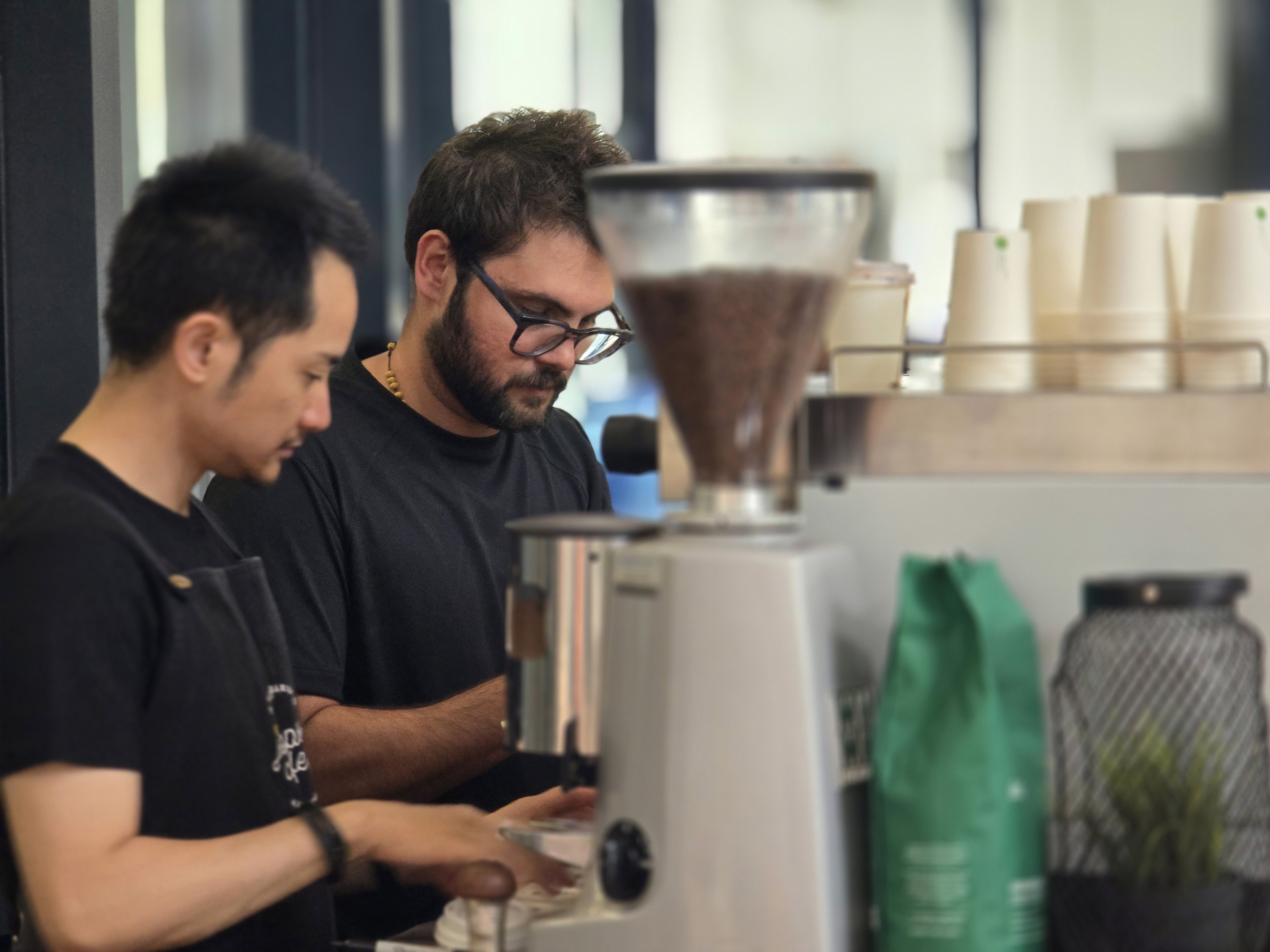
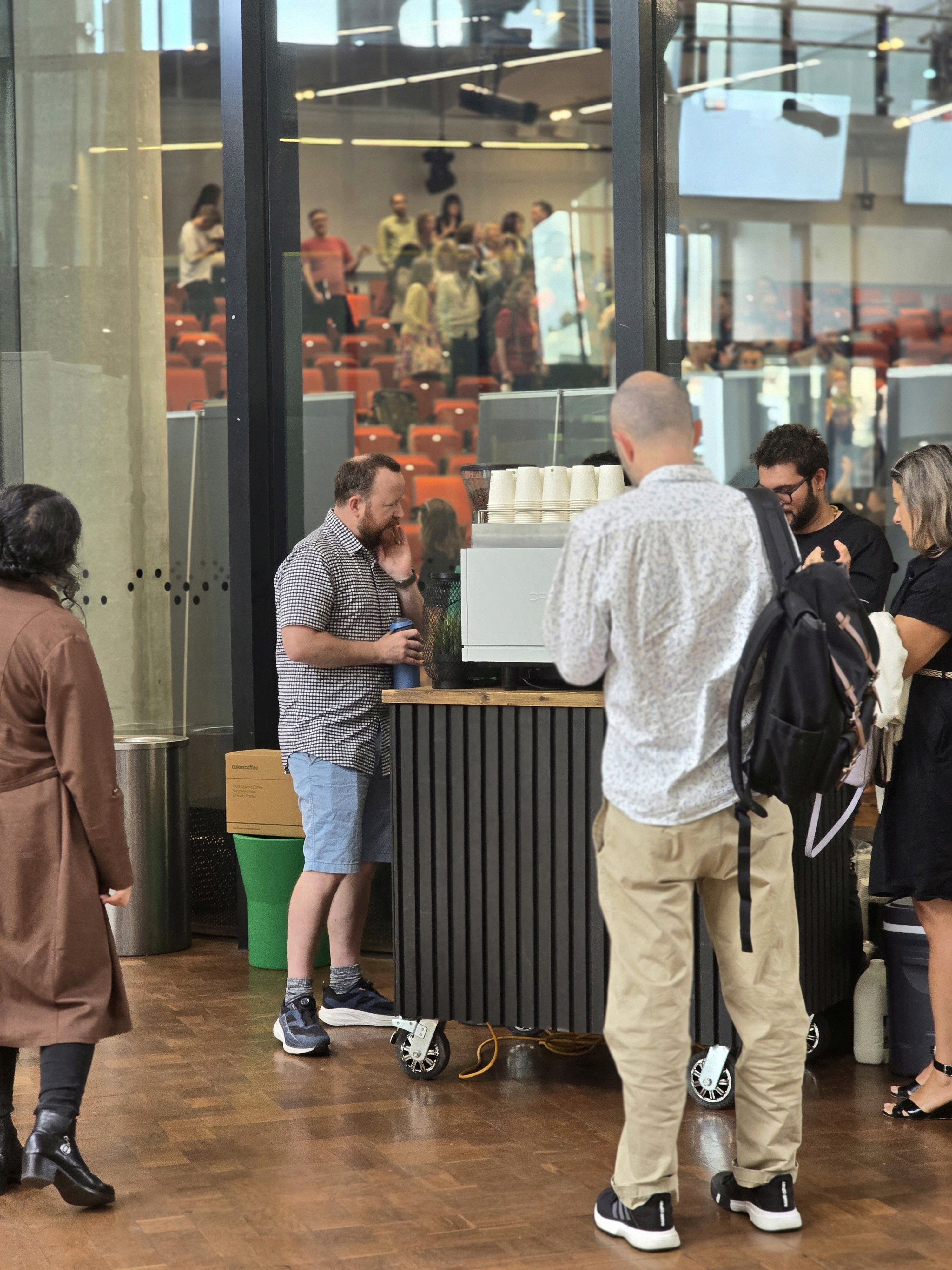
Why Jeepsy Mobile Baristas Is Trusted Across Melbourne
When planning your coffee service, working with an experienced provider simplifies everything from volume calculation to execution.
What Sets Jeepsy Mobile Baristas Apart
Premium Coffee: Serving Dukes Coffee with exceptional flavour
Turnkey Service: Full setup and pack-down handled for you
Custom Branding: Ideal for corporate activations and marketing events
Eco-Friendly Approach: Sustainable cups, lids, and milk options
Professional Baristas: Friendly, skilled, and engaging
Melbourne businesses and event planners rely on a seamless approach that combines expertise with convenience, supported by a fully equipped mobile café experience available at mobile coffee service.
Final Tips for Accurate Coffee Planning
To summarise:
Always estimate slightly above average consumption
Factor in event timing and audience behaviour
Plan for power and safety requirements early
Work with experienced professionals
Plan Your Coffee Setup with Confidence
For events across Melbourne and Victoria, having the right support makes all the difference.
If you’re refining your event plans or need clarity around setup logistics, you can align your requirements with the professional team, ensuring every detail is handled with precision and care.