August, 2026
Event
Blog
Construction Site Coffee Cart Safety Melbourne | Jeepsy
Construction Site Coffee Cart Safety Melbourne: How Does a Coffee Cart Operate Safely?
A coffee cart can be a welcome addition to a busy building project, but a construction site is very different from a normal office or event venue. Safe service depends on where the cart is placed, how workers reach it, how power and water are managed, and whether the vendor follows site safety and Victorian food rules.
For anyone comparing construction site coffee cart safety Melbourne options, the best setup is planned with the site supervisor before arrival. The aim is simple: keep the cart away from active work and moving plant while giving workers a clean, easy place to order and collect drinks.
What Makes a Construction-Site Coffee Cart Safe?
A safe coffee setup controls several risks at the same time.
Risk area | Safer approach |
Moving vehicles and plant | Put the cart in a pedestrian-only or controlled area away from loading zones, reversing vehicles and mobile plant. |
Electrical equipment | Use approved site power, suitable RCD protection, undamaged leads and equipment that meets site testing requirements. |
Hot drinks and spills | Keep the pickup point stable, manage queues and clean spills quickly to reduce burn and slip risks. |
Food hygiene | Use potable water, proper handwashing, clean equipment and safe milk storage. |
Uneven ground and weather | Set up on firm, level ground with suitable cover and safe access. |
The cart position matters as much as the coffee machine. A practical site setup requirements checklist can help you confirm space, access, waste and service flow before the booking is locked in.
Plan the Coffee Cart With the Site Supervisor
Construction sites have controlled access, changing work zones and scheduled deliveries. The coffee vendor should not choose a location after arriving without approval.
Before the service day, confirm:
the approved entry and unloading point
the cart location and queue area
pedestrian access from work areas
delivery and pack-down times
required PPE
emergency and evacuation rules
the site contact responsible for vendor access
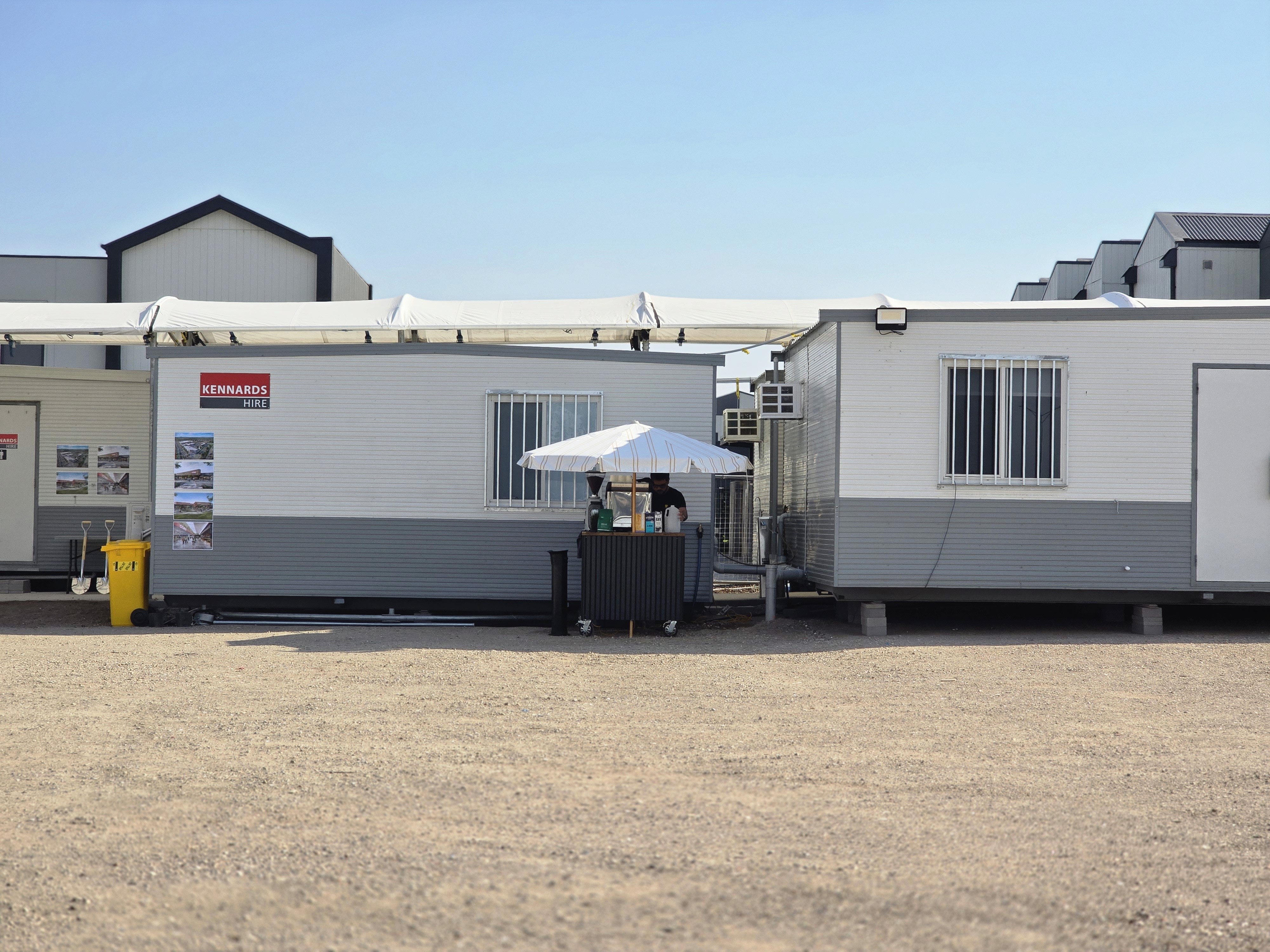
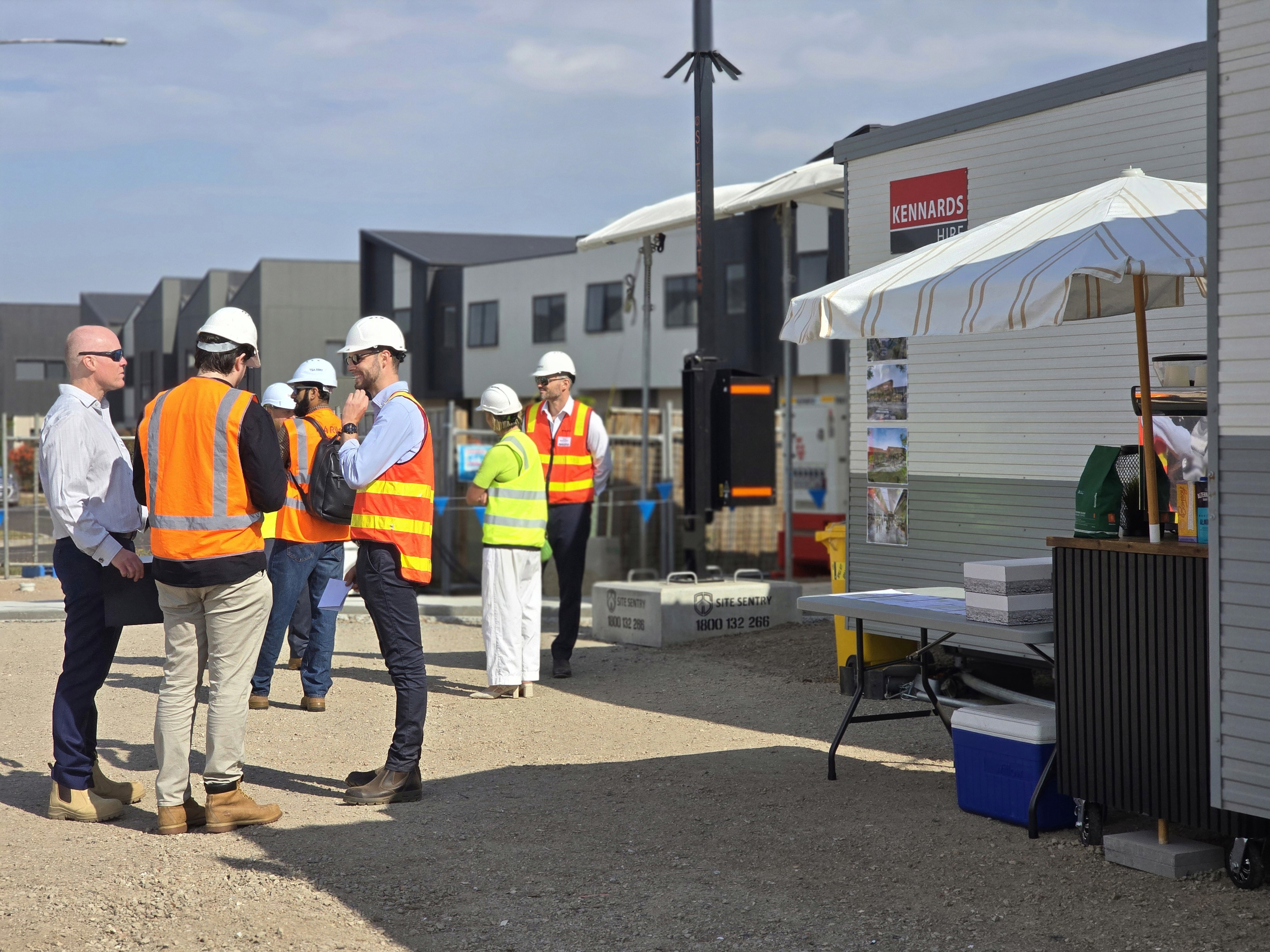
WorkSafe Victoria recommends separating pedestrians from vehicles and mobile plant wherever possible. For a coffee cart, that usually means placing service near an amenities, break or pedestrian area rather than beside a haul road, loading zone or plant route.
Poor positioning is one of the common cart setup risks worth resolving before workers begin queuing.
Does a Coffee Cart Barista Need a White Card?
Not automatically.
A White Card is required for people carrying out construction work. WorkSafe Victoria also notes that some people doing non-construction tasks outside defined construction zones, visitors, and people making deliveries in designated areas may not need one.
However, the principal contractor can still require a site-specific induction, PPE and access controls. Always confirm the project's rules before the barista arrives rather than assuming normal event access applie
Use Safe Power, Water and Wastewater Arrangements
Commercial espresso machines draw significant power, so the electrical plan needs to be agreed before setup.
Construction and demolition sites use AS/NZS 3012:2019 for electrical installations. The site electrician or principal contractor should confirm the approved connection point, RCD protection and lead route. The coffee provider should also make sure its own electrical equipment is in safe condition and meets the site's testing requirements.
Leads can be damaged by traffic, sharp edges, water or rough surfaces. They should be kept away from vehicle paths and positioned so they do not become a trip hazard.
Your vendor should confirm its power and water planning early, including whether a dedicated outlet, onboard water or another approved arrangement is needed.
Can a Coffee Cart Use a Generator?
It may be possible, but only when the site approves the location, electrical arrangement, fuel controls and noise impact. A generator should never be added at the last minute simply because the nearest outlet is unavailable.
Equipment choice also matters. Reviewing coffee equipment planning errors can help prevent overloaded circuits, poor access and avoidable service delays.
Keep Food and Milk Safe
A construction site does not reduce food-safety duties. In Victoria, mobile food premises are regulated under the Food Act 1984, with local councils using FoodTrader for registration or notification.
For day-to-day coffee service, safe practices include:
clean, potable water for drinks and cleaning
a dedicated handwashing setup with soap and hygienic drying
protected cups, lids and utensils
refrigerated milk kept at 5°C or colder unless another safe control is used
clean milk jugs and food-contact surfaces
contained wastewater and rubbish
allergen-aware handling of dairy and alternative milks
FoodTrader also uses a Statement of Trade to record when and where a mobile food premises intends to trade. The vendor should have the appropriate registration or notification and trading authorisation for the location.
For larger company bookings, a vendor compliance paperwork guide can help you check documents before the service date.
Control the Queue, Hot Drinks and Spill Risk
The safest cart is easy to approach without sending workers through an active vehicle route.
Create one obvious ordering and pickup area. Keep the queue clear of stairs, gates, emergency access, material storage and moving equipment. During busy toolbox talks or morning breaks, staggered service can also reduce crowding.
Hot drinks add a simple but important hazard. Cups should have secure lids where appropriate, the collection surface should be stable, and spills should be cleaned immediately.
It is also worth confirming the booking details organisers miss, including worker numbers, service times, access and the on-site contact.
How to Compare Coffee Cart Vendors for a Melbourne Construction Site
Price and coffee quality matter, but site readiness matters too. Before booking, ask whether the provider can confirm:
public liability insurance
FoodTrader registration or notification details
electrical testing records requested by the site
power, water and wastewater needs
safe bump-in and pack-down requirements
staff availability for site induction
a clear plan for large workforce service periods
Do not assume every coffee cart needs a construction SWMS. A statutory Safe Work Method Statement is linked to high-risk construction work. A principal contractor may still request its own vendor risk assessment or safety paperwork.
When comparing corporate coffee service options, choose a provider that can answer operational questions before the service day, not after arriving at the gate.
Construction Site Coffee Cart Safety Checklist
Before service starts, confirm that:
the cart sits on stable, level ground
workers can reach it by a safe pedestrian route
vehicles and mobile plant are separated from the queue
site induction and PPE requirements are clear
power has been approved and leads are protected
potable water and wastewater controls are in place
milk and other perishable items stay temperature controlled
handwashing facilities are ready
bins and spill-cleaning supplies are available
pack-down will not conflict with site traffic or deliveries
Ready to Make Your Site Coffee Setup Effortless?
A construction-site coffee service should feel energising, not disruptive. When access, traffic separation, power, water, food hygiene and service flow are planned together, workers can enjoy barista-made coffee without creating new hazards around the project.
Jeepsy Mobile Baristas has served Melbourne events and workplaces since 2016, with setup and pack-down handled as part of the mobile service.
For a polished coffee cart plan that fits your site conditions, workforce numbers and service window, connect with Jeepsy support team to discuss your Melbourne booking.