September, 2026
Corporate
Blog
How to Plan Coffee Service for Short Conference Breaks
How to Plan Coffee Service for a 15, 30 or 45-Minute Conference Break
A conference coffee break looks simple on the agenda. In practice, hundreds of small decisions can affect whether guests get a drink, have time to network and return to the next session on time.
For Melbourne organisers, effective conference coffee catering starts with the break length, not just the total guest count. A 15-minute break creates a sharp rush. A 45-minute break gives the barista team more time to spread demand and serve a broader menu.
The best plan matches your guest numbers, likely coffee demand, venue layout and service capacity to the actual timetable. That same agenda-first approach supports smoother conference coffee service planning across seminars, summits and multi-session events.
How much coffee service can fit into a conference break?
Do not treat the full break as usable service time.
Delegates need time to leave the session room, visit facilities, speak with colleagues and return before the next presentation. The busiest coffee demand is often concentrated into a shorter window inside the scheduled break.
Jeepsy’s planning guide notes that one experienced barista can typically make about 40–60 coffees per hour with a suitable commercial setup, with around 60–80 possible when workflow and the menu are tightly controlled. Use that one barista coffee capacity as a planning range rather than a guarantee.
Break length | Typical output per barista at 40–60/hour | Efficient output at 60–80/hour | Main planning issue |
15 minutes | 10–15 drinks | 15–20 drinks | Very concentrated queue |
30 minutes | 20–30 drinks | 30–40 drinks | Peak demand still matters |
45 minutes | 30–45 drinks | 45–60 drinks | More room for staggered service |
These figures describe production capacity, not the number of attendees. You still need to estimate how many guests are likely to order during that specific break.

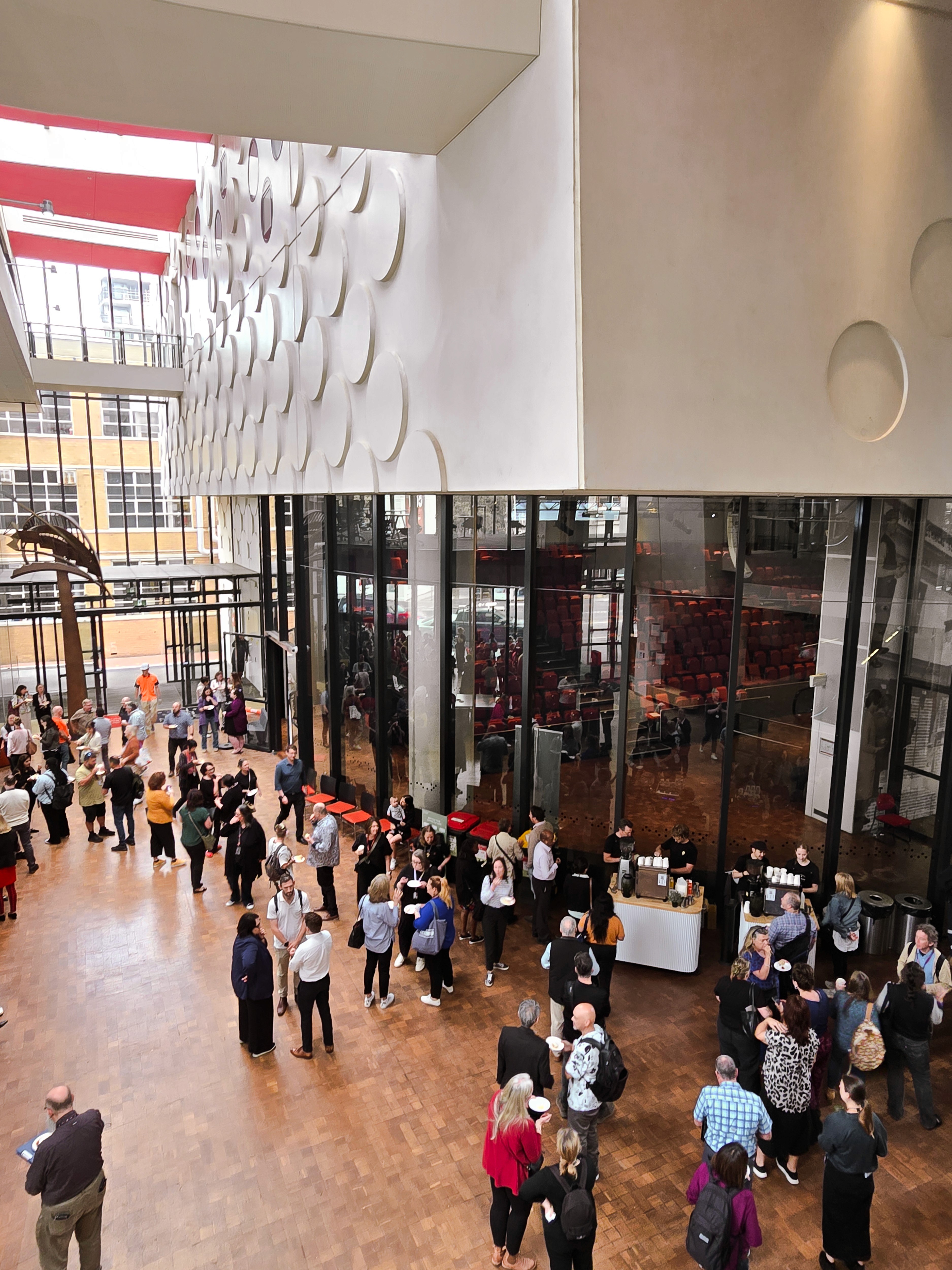
What should you calculate before choosing the setup?
A 200-person conference does not automatically mean 200 coffees at every break.
Start with expected orders, then divide them by the usable service window. This gives you a clearer throughput target.
1. Estimate likely coffee orders
Consider:
Total delegates
Time of day
Whether coffee was served on arrival
Morning versus afternoon demand
Length of the conference
Tea, chai and hot chocolate demand
Dairy and alternative milk choices
Whether guests may order a second drink
For a more detailed headcount method, use event coffee volume planning before confirming staffing and equipment.
2. Find the demand concentration
Ask a more useful question than “How many guests are attending?”
Ask: How many people may order within the same 10 or 15 minutes?
A 150-person event with steady arrivals can be easier to serve than an 80-person event where everyone reaches the cart at once. This demand concentration often determines whether you need one barista, extra staff or parallel service points.
3. Match the service layout to the rush
The cart needs enough capacity for the peak, not just the average.
That may mean:
One compact cart for a small group
Two baristas working one high-capacity station
Two machines for parallel production
Separate order and pick-up points
Multiple carts for a large conference floor
How should you plan a 15-minute coffee break?
A 15-minute break is a throughput problem first.
There is little room for a long menu, an unclear queue or a cart that only becomes ready when the session ends. Coffee should be fully set up before delegates enter the break area.
Keep the menu familiar and easy to order. Flat whites, lattes, cappuccinos, long blacks, tea and a small range of milk alternatives can cover most needs without adding too many decision points.
Use clear “Order Here” and “Pick Up Here” positions. Good coffee queue management tactics can stop the line from blocking doors, registration desks or the path back to the conference room.
For larger groups, one station may not be enough. Parallel service is usually more useful than asking one barista to work at an unrealistic pace.
What changes for a 30-minute break?
A 30-minute break gives you more flexibility, but demand can still arrive in one large wave.
This is common when a keynote ends and most delegates enter the foyer together. The extra time helps, but it does not remove the need to plan capacity.
For medium or large groups, compare single or dual machines based on the number of orders expected during the busiest part of the break.
A 30-minute window can also support:
A wider drink menu
More alternative milk orders
Tea, chai and hot chocolate
Pastries or light catering
More relaxed networking around the cart
Place condiments, lids and waste points away from the collection area. This keeps completed orders moving out of the production zone.
How should a 45-minute break be used?
A 45-minute break gives you the most control over guest flow.
You can use the extra time for networking, sponsor engagement or a more relaxed coffee experience. However, the first 10–15 minutes may still be the busiest.
Do not reduce capacity simply because the break is longer. Plan for the opening rush, then let the service settle into a steadier rhythm.
For multi-session conferences, align opening and closing times with the agenda. Similar agenda-based coffee timing helps keep machine noise, queues and guest movement away from important presentations.
A longer break is also better suited to branded cups, pastries or a more sophisticated hospitality setup because guests have time to notice and enjoy the experience.
Where should the coffee cart go at a Melbourne conference venue?
Cart placement affects both service speed and conference flow.
In Melbourne CBD, Southbank and Docklands venues, you may also need to account for loading bays, freight lifts, access times, building rules and available power.
Choose a position that is:
Visible as guests leave the session
Away from narrow doorways
Clear of emergency exits
Close enough to power requirements
Wide enough for a queue
Separated from the return path into the room
Practical for waste and restocking
A polished corporate coffee cart service should account for setup, service and pack-down as part of the wider venue schedule.
What should you confirm with your coffee caterer?
Before the event, give the barista team the actual agenda rather than only the booking start and finish time.
Confirm guest numbers, break times, expected order volume, cart position, access instructions, power availability, milk requirements and whether the next session must restart at a strict time.
You should also confirm how many baristas and machines are included. Melbourne mobile coffee cart packages can be adjusted around service time, staffing, catering and venue logistics.
The key measure is not simply “coffees per hour.” It is whether the planned setup can handle your busiest few minutes without creating a queue that outlasts the break.
Which break length needs the most planning?
The shorter the break, the more precise the plan needs to be.
A 15-minute break needs fast production, a focused menu and very clear queue flow. A 30-minute break offers more flexibility but may still need parallel capacity. A 45-minute break gives guests more time, yet the opening rush still needs to be sized correctly.
For Melbourne conference organisers, the safest approach is to plan around peak demand, usable service time and guest movement rather than headcount alone.
Ready to Make Your Conference Coffee Setup Effortless?
Coffee service can become one of the most engaging parts of your conference when it fits naturally into the agenda. The right capacity, cart position and service flow help guests recharge without turning a short break into a long queue.
Think beyond the coffee machine. Power, venue access, barista numbers, menu choices, milk options, waste points and the path back to the session all affect the result.
For a polished, flexible and fully equipped conference coffee setup in Melbourne, you can connect with Jeepsy support team to plan service around your venue, delegate numbers and break schedule.