2026
Event
Blog
Small vs Large Event Coffee Service in Melbourne
Coffee Service Planning Guide
Melbourne events operate in a city where coffee culture sets the bar high. A poorly structured coffee service stands out quickly not because of taste, but because of queues, congestion, or slow throughput during peak moments.
What works for an intimate networking event will not survive the pressure of a large corporate activation. Larger events demand engineered speed, structured staffing, and precise demand forecasting. The real difference between small and large event coffee service lies in operational design, not just headcount.
What Defines a Small vs Large Event Coffee Service?
While every event is unique, the following ranges are commonly used for planning purposes:
Small event: 20–80 guests
Medium event: 80–150 guests
Large event: 150+ guests
However, guest count alone does not determine service complexity. Peak demand patterns, menu selection, and service duration significantly influence setup.
Comparison Table
Factor | Small Event | Large Event |
Guest Count | 20–80 | 150+ |
Service Duration | 1–3 hours | 2–8+ hours |
Staffing | 1–2 baristas | 3+ baristas or multiple stations |
Menu Complexity | Flexible | Speed-focused |
Setup Requirements | Compact footprint | Larger footprint, higher power load |
Queue Management | Minimal | Structured queue planning |
Branding Opportunity | Subtle styling | High-impact activation potential |
Budget Structure | Hourly-based | Scaled by volume + staffing |
The key difference lies in throughput pressure. Small events prioritise hospitality feel. Large events prioritise speed, consistency, and queue control.
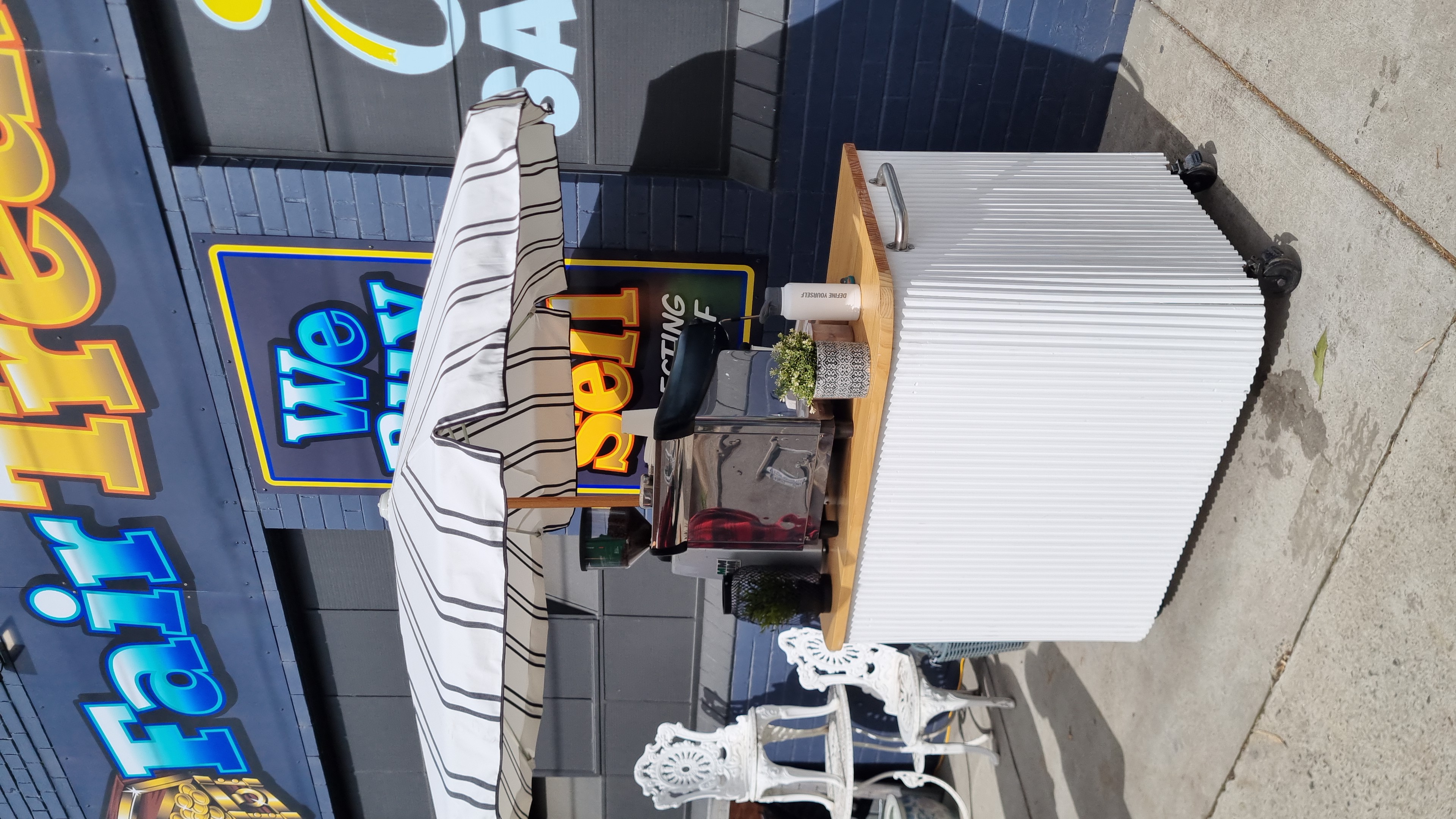
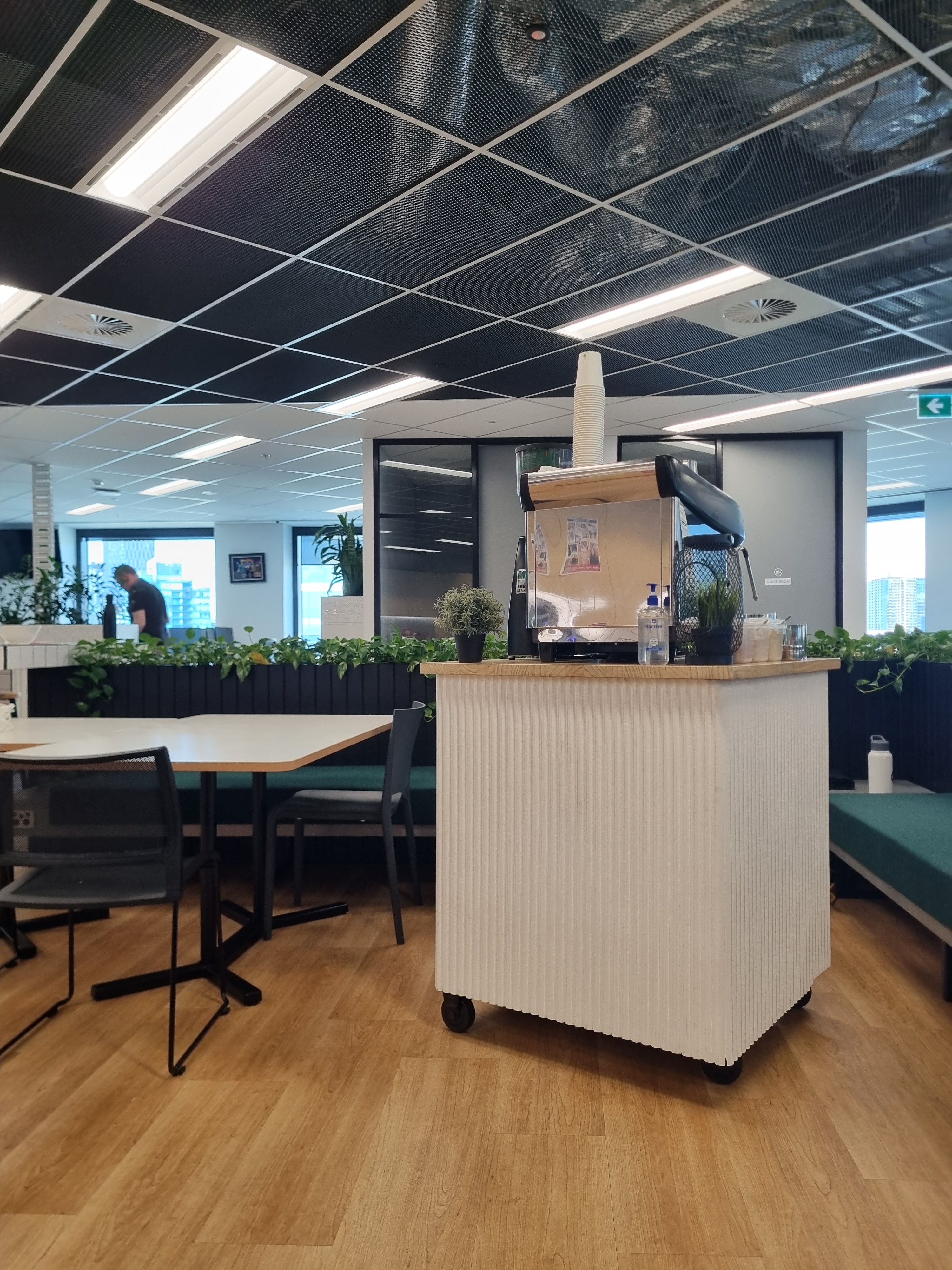
Step 1 – Estimate Real Coffee Demand
Planning should begin with demand modelling rather than headcount alone.
Guest Profile
Not every guest will order coffee. Consider:
Corporate weekday morning event: 70–85% uptake
Afternoon networking: 40–60%
Evening wedding: 25–40%
Understanding audience behaviour helps determine staffing and service models.
For Melbourne-based corporate functions and activations, uptake is typically higher during arrival windows, especially when integrated into structured programming such as conferences or exhibitions.
Service Window
A 2-hour service does not mean evenly distributed demand.
Large events often experience:
60% of orders within first 45 minutes
High pressure during scheduled breaks
Small events often have:
More gradual ordering
Longer guest dwell time
Peak window forecasting determines whether one station can manage demand or multiple coffee points are needed.
Peak Time Considerations
Peak demand planning must address:
Machine capacity
Milk storage
Order flow
Queue length tolerance (corporate events typically expect <5–8 minutes)
If guests wait too long, satisfaction declines quickly.
Step 2 – Choosing the Right Service Model
Different event sizes require different service structures.
Unlimited Service
Common for:
Corporate appreciation events
Weddings
Brand launches
Best for predictable timeframes and hospitality-led experiences.
Small events benefit from unlimited service because capacity pressure is lower. For large events, staffing must scale accordingly.
Capped Serves
Used for:
Budget-controlled activations
Short peak windows
This model works well when token-based distribution controls demand.
Multiple Stations vs Single Cart
For 150+ guests within a short window:
Consider multiple carts or dual-machine setups
Position stations at opposite ends of venue
Split queues by beverage type if needed
Large corporate setups often integrate branded coffee stations within wider event production, similar to structured event setups seen in Melbourne’s professional event environments through tailored corporate coffee setups.
Step 3 – Staffing and Throughput Planning
Barista workflow determines service speed.
Throughput depends on:
Drink complexity
Milk steaming cycles
Payment process (cashless preferred)
Cup branding preparation
Staffing Guidelines
30–60 guests (light peak): 1–2 baristas
100–200 guests (moderate peak): 2–3 baristas
300+ guests (heavy peak): 3+ baristas or dual stations
Throughput improves when:
Menu is simplified
Orders are taken while drinks are prepared
Baristas focus on task specialization
Queue design also matters. Single-line queue feeding two baristas reduces confusion in high-volume environments.
Step 4 – Venue and Site Requirements
Venue logistics can impact feasibility more than guest count.
Power and Electrical
Mobile coffee carts typically require:
Dedicated 10–15 amp power supply
No shared high-load appliances on same circuit
Safe cable management
Space and Access
Consider:
Minimum 2m x 2m space for compact carts
Clear access for bump-in and bump-out
Floor protection if indoors
Waste removal route
Large events often require staging coordination to avoid congestion during setup.
Indoor vs Outdoor Planning
Outdoor events require:
Weather contingency
Wind management
Stable flooring
Covered setup
Melbourne weather variability makes contingency planning essential.
Compliance Considerations
Temporary event food service must comply with Australian food safety standards under Food Standards Australia New Zealand (FSANZ) guidelines for temporary food premises.
Planning should include:
Safe milk storage
Hand hygiene process
Waste disposal
Cleaning schedule
Compliance builds trust with venues and event organisers.
Step 5 – Menu Strategy for Different Event Sizes
Menu engineering significantly impacts service speed.
Speed-Focused Menus (Large Events)
Best for high volume:
Espresso
Flat white
Cappuccino
Latte
Long black
Hot chocolate
Limited milk alternatives
Reducing menu complexity increases throughput.
Full Café Menus (Small Events)
Smaller gatherings can support:
Alternative milks
Decaf
Specialty syrups
Tea options
This enhances hospitality experience.
Dietary Coverage
Always include:
Dairy-free milk
Decaf option
Non-coffee option
Clear menu boards reduce ordering delays.
Step 6 – Branding and Guest Experience
Large events offer greater branding potential.
Branded Cups
Logo-printed cups
Custom sleeves
QR codes
This works particularly well for exhibitions and corporate launches.
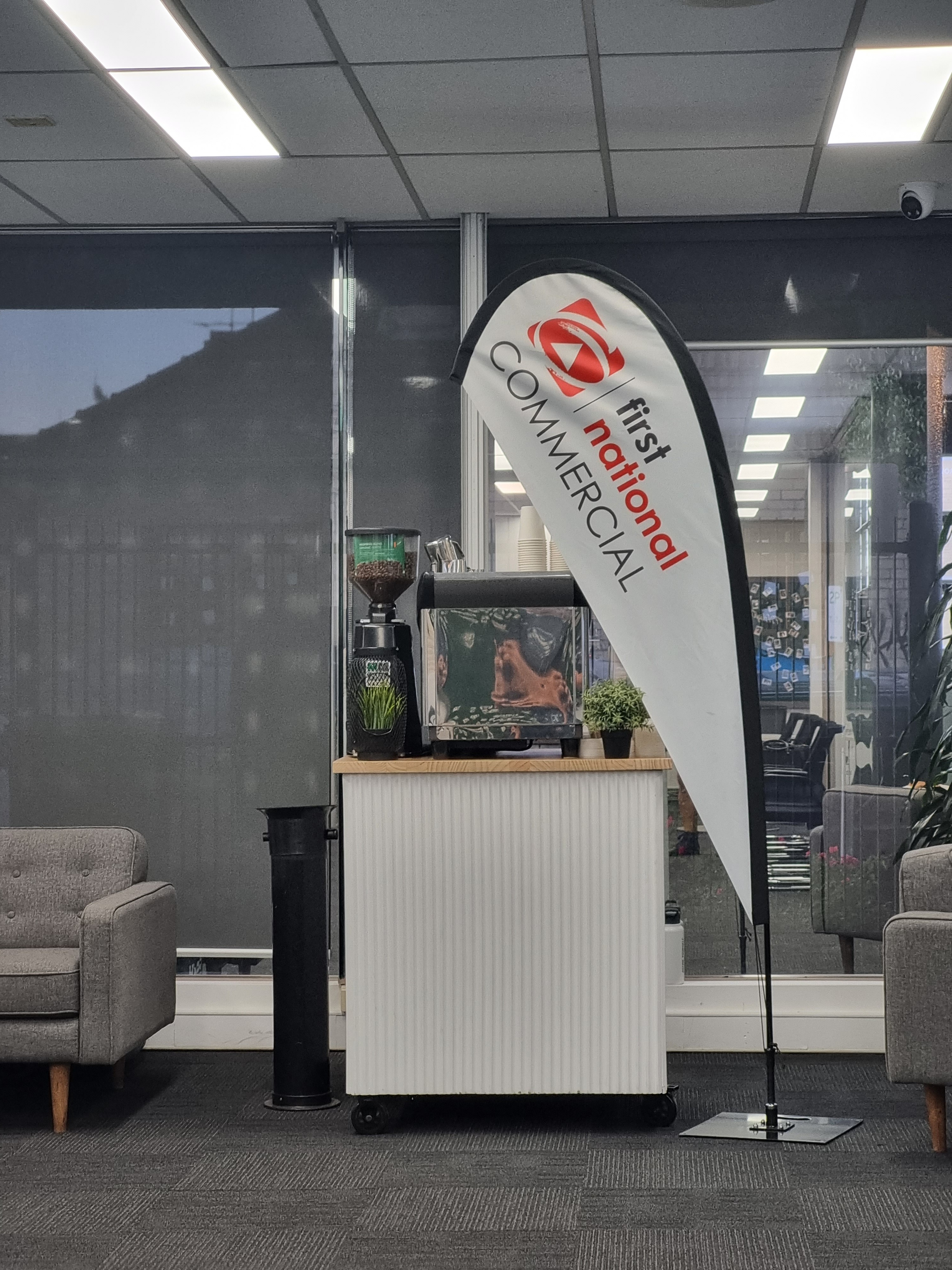
An example of a strong branded activation approach you can found in custom cart activation case, where coffee service became part of a broader marketing strategy.
Cart Styling
Cart aesthetics should match event theme:
Corporate minimal
Wedding styling
Premium finishes
Activation Events
Coffee stations can:
Drive foot traffic
Encourage dwell time
Increase brand recall
In large-scale environments similar to structured branded events like the Hilti activation example, coffee service supports engagement objectives.
Budget Considerations for Small vs Large Events
Cost drivers include:
Duration
Staffing level
Branding requirements
Peak demand
Venue logistics
Small events typically follow hourly pricing.
Large events often scale based on:
Staffing
Equipment
Volume
Early planning prevents under-resourcing, which can damage guest experience.
Common Planning Mistakes to Avoid
Underestimating peak demand
Ignoring venue power limits
Overcomplicating the menu
Booking too late
Forgetting weather contingency
Not planning bump-in logistics
Clear communication between organiser and coffee provider avoids these issues.
Event Coffee Planning Checklist
4 Weeks Before
Confirm guest estimate
Confirm venue power access
Decide service model
Lock branding requirements
1 Week Before
Finalise run sheet
Confirm bump-in time
Confirm menu board
Confirm contact person onsite

Why Jeepsy Mobile Baristas is Best for Melbourne Events
Choosing the right provider matters more as event size increases.
Jeepsy Mobile Baristas bring structured planning, experienced staff, and scalable setups suitable for both intimate gatherings and high-volume activations.
Key strengths include:
Melbourne-based event experience
Corporate-ready setups
Operational planning support
Compliance-aware service
You can also Connect With Jeepsy Mobile Baristas Team to discuss specific event requirements and determine appropriate service sizing.
Get a Quote for Your Event
Whether you are planning a 40-guest boardroom session or a 400-person activation, proper planning ensures smooth service and positive guest experience.
For Melbourne-based event coffee planning, Jeepsy Mobile Baristas provide structured support from logistics through to guest experience delivery.
Early planning helps determine the right staffing level, service model, and setup requirements for your specific event format.
FAQs
How many baristas do I need for 100 guests?
For 100 guests, typically 2 baristas are sufficient if service is spread over 2–3 hours. If there is a concentrated 30–45 minute peak window, a third barista may improve queue management and reduce wait times. Menu simplicity also affects throughput.
How much power does a coffee cart require?
Most professional espresso setups require a dedicated 10–15 amp outlet. Large dual-machine setups may require higher capacity or separate circuits. Power should not be shared with high-load appliances to avoid overload.
Can a coffee cart operate outdoors?
Yes, provided there is stable ground, weather protection, and compliant power access. Wind and rain contingency planning is essential in Melbourne conditions.
Do I need council approval for event coffee service?
Temporary food service may require notification or registration depending on venue and council regulations. Compliance should align with FSANZ temporary food premises guidelines and local council requirements.
What is the best menu for high-volume events?
A streamlined espresso menu with limited milk options improves speed and consistency. Removing specialty syrups or complex drinks reduces queue time.
How far in advance should I book?
For corporate or wedding peak seasons in Melbourne, booking 4–8 weeks in advance is recommended. Large-scale activations may require longer lead times.
Is branded coffee service worth it for marketing events?
Yes. Branded cups and carts create physical brand interaction and social media opportunities. Coffee stations also increase dwell time at activation booths.
What affects pricing the most?
Guest count alone does not determine pricing. Peak demand, duration, staffing, and branding significantly influence cost structure.